
SVA interviewed by Telegraph re: Superfake Handbags
Sophisticated dupes of Chanel and Hermès bags are selling for a small fortune as counterfeiters target a new breed of discerning shopper
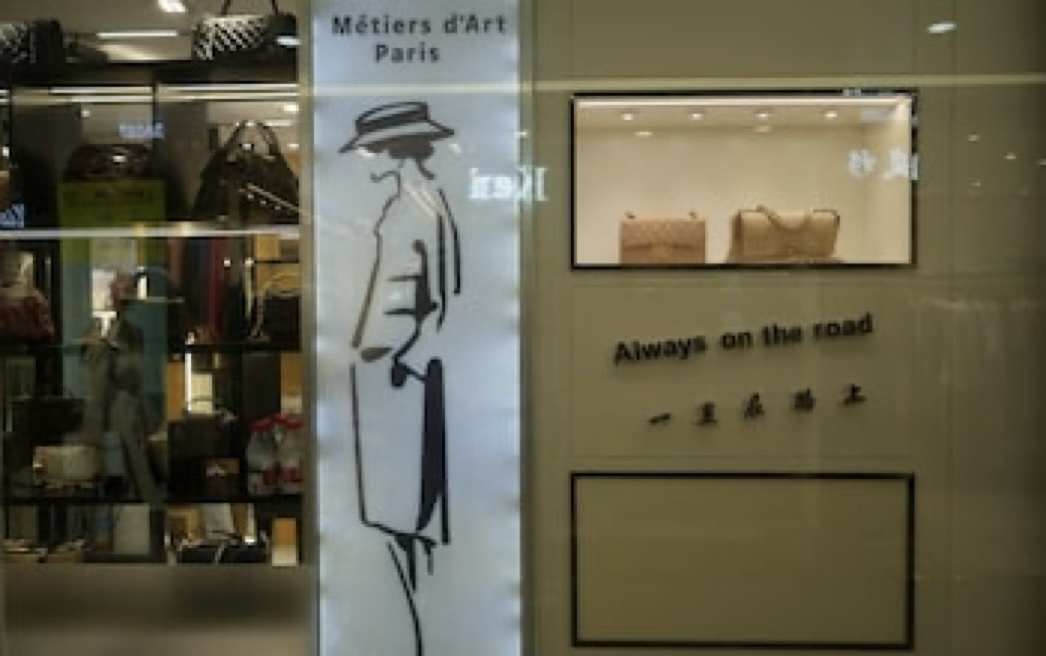
A black-and-white photo of Coco Chanel is on display at the entrance of the store. But this is not Paris. We are 5,900 miles from the French fashion capital, in Guangzhou, the Chinese megacity that has become the global centre of the counterfeit handbags trade.
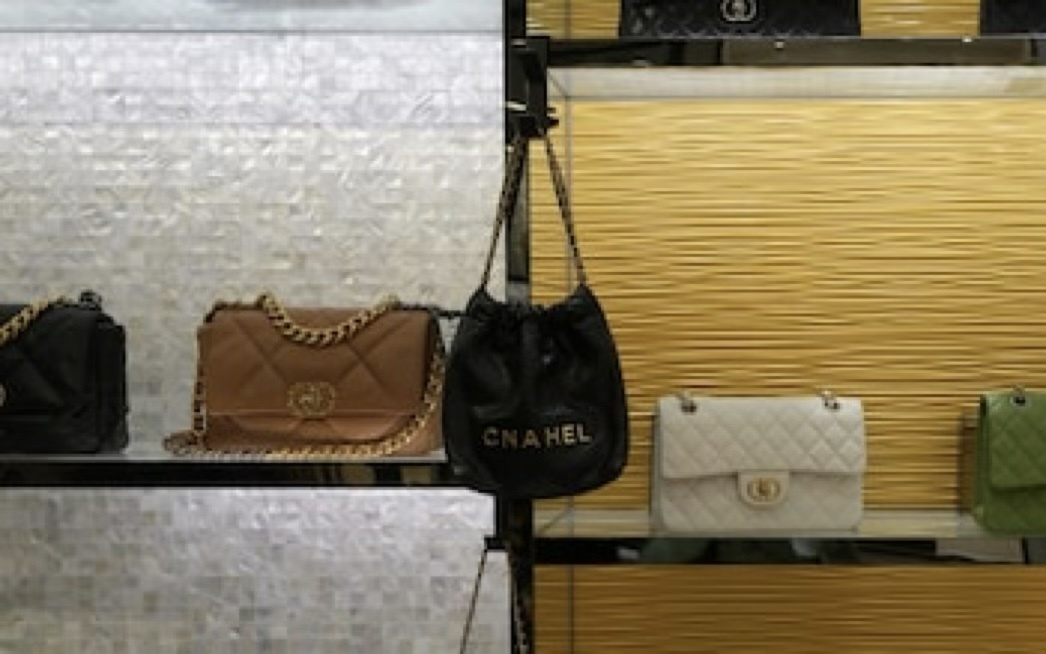
Inside, at the shop counter, a saleswoman named A-Lin is surrounded by dozens of bags. All of them are copies of Chanel products, from classic leather flap bags to sequinned clutches.
To evade authorities, most of the visible bags feature more obviously doctored versions of Chanel’s interlocking Cs logo. “Nowadays, the police come here really often,” A-Lin says. But she also says that brand-new ones, with logos properly placed on both the insides and outsides, could be delivered to a buyer’s hotel that evening.
Most of her customers are from Europe, Dubai, Singapore, Thailand and Indonesia. More than 620,000 Britons, who can now travel to China visa-free, visit the country each year, with Guangzhou among the top destinations.
A-Lin’s shop is one of dozens on the third floor of the Baiyun World Leather Trading Centre. It is visited both by tourists seeking a bargain and foreign brokers who inspect pieces to negotiate bulk orders.
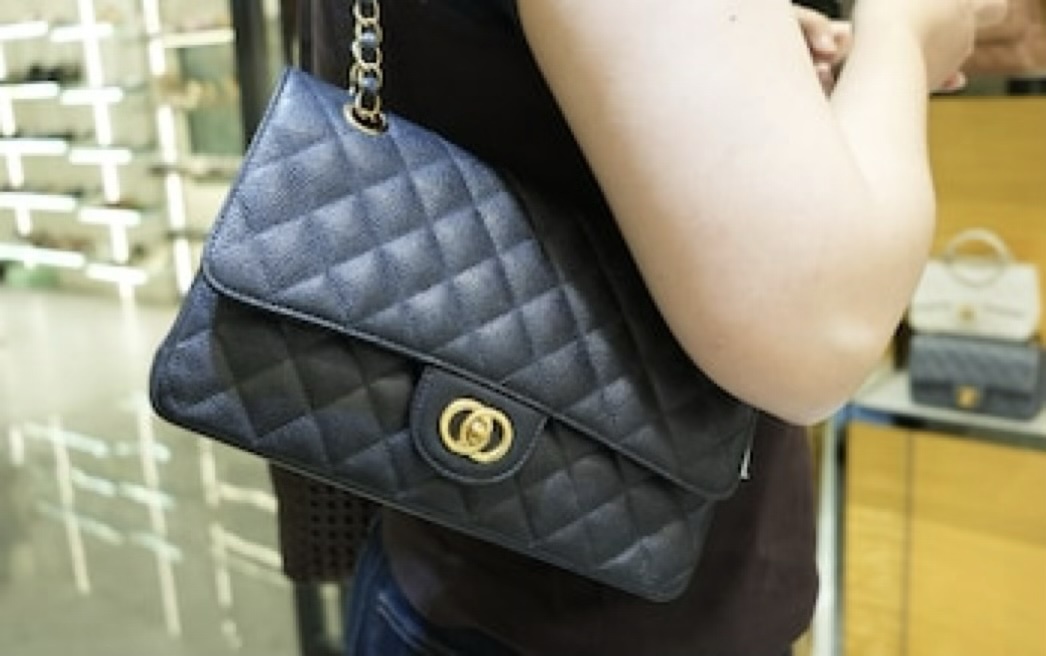
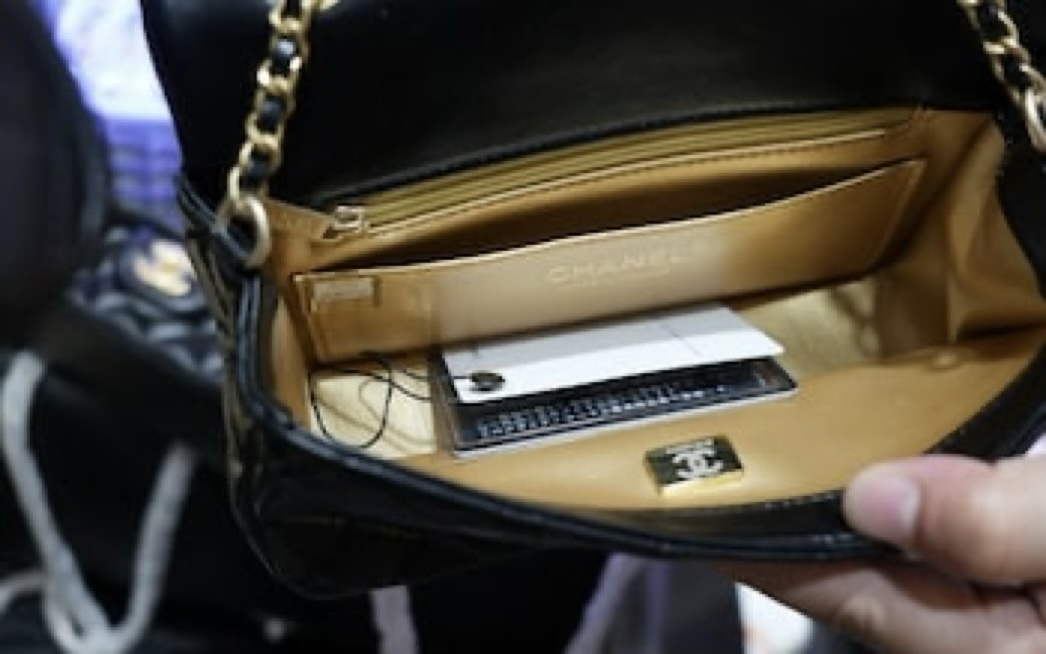
Cheap knock-offs have been a staple in street markets for decades, but a more sophisticated breed of counterfeit luxury handbags, known as “superfakes”, which sell for hundreds of pounds, has emerged. These replicas feature high-grade leather, superior hardware and careful craftsmanship, which make them harder to distinguish from authentic goods.
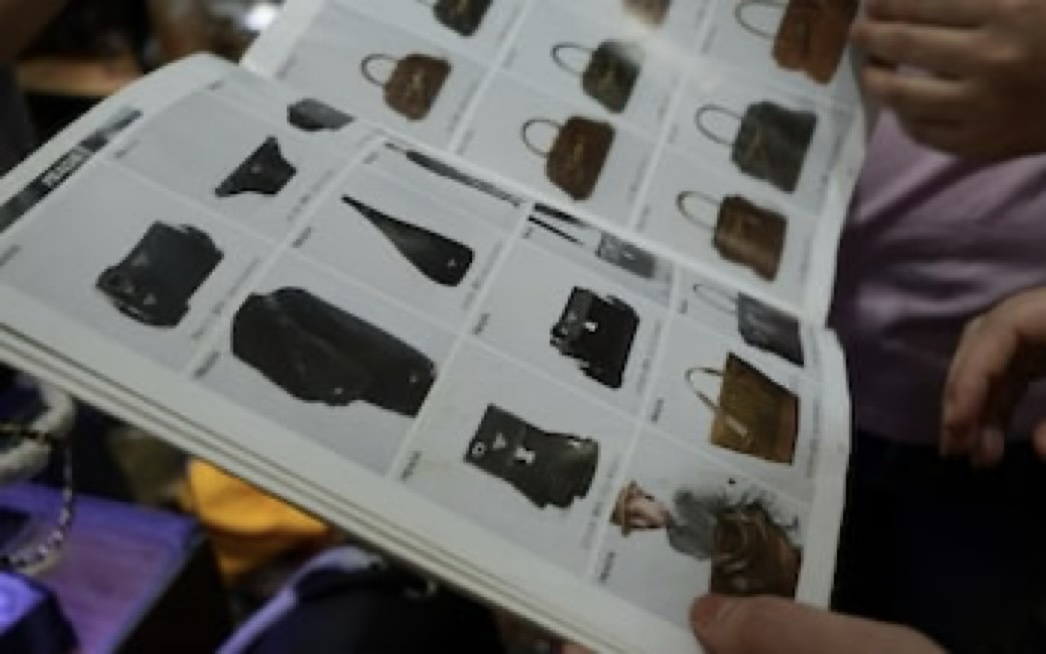
In Guangzhou, the best copies are sometimes kept in secret compartments, hidden rooms and off-site storage. Sellers often show the same bag with different types of fabric and fittings so that the client can decide on the quality of the “dupe” they are looking for and the money they are willing to spend.
Just a few shops away, fake Hermès bags lure two Russian-speaking brokers. “We have been selling a lot and they have very good quality,” a tanned woman with glossy lips tells The Telegraph. The salesman accompanying her lines up handbags on a chair and snaps photos with his phone for online clients.
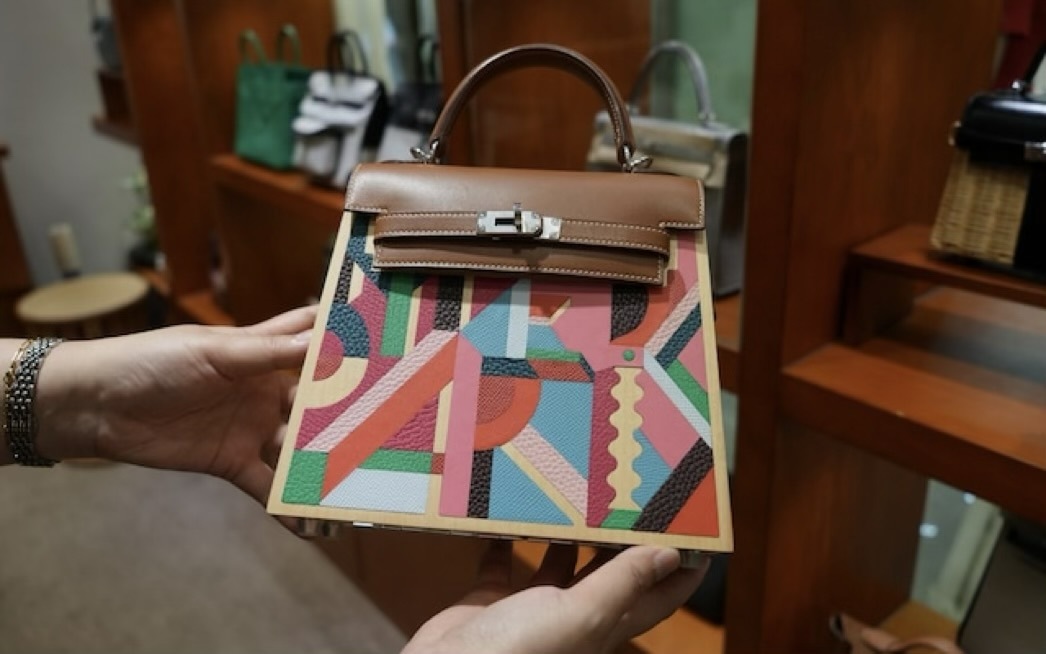
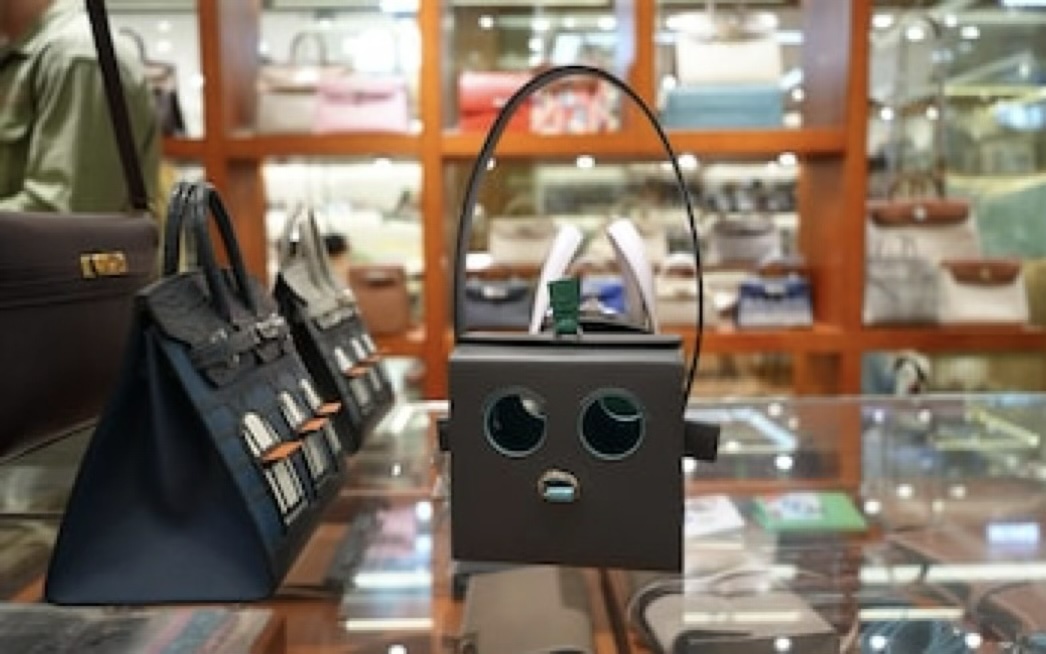
The shop not only recreates a boutique experience, it also features an impressive selection, including copies of some of Hermès’s most sought-after bags: the Robot Cube Minaudiere, the Kelly Doll Picto, and the Kellywood Perspective Cavaliere. A 2022 edition of the Kellywood, a Bauhaus-inspired design in wood and leather, fetched $146,000 (£110,000) at a Sotheby’s auction last year. A replica in this Guangzhou store costs 7,000 yuan (£770).
The stitching on most of the bags, the sales assistant claims, is hand-sewn and the brand stamping could be added “in 10 minutes”. She accepts payments through Chinese digital platforms or an HSBC bank account in Hong Kong, with shipping to England (taking roughly a week) for about 600 yuan (£65).
This cluster of shops has become increasingly visible internationally, as sellers create social media accounts and Western lifestyle influencers boast about their purchases online.
In June, British influencer Shirley Bekker posted a video of her unpacking a fake Dior bag that she had purchased in Guangzhou. The Instagram reel, which was liked by more than 1,300 people, sparked comments about the trade in fake handbags. “For those who have the additional £4,000 for the luxury of refined stitching, I can make a video… with the address details of the Dior boutique in London if you like?” Bekker wrote in response to critical comments on her post. She said she spent £100 on a “pretty” bag and wasn’t worried about its resale value.
In recent years, the Western middle classes, even those on relatively good salaries, have been priced out of designer leather goods. Prices have soared above inflation, driven by brand positioning, demand and increased production costs. In early 2016, a Chanel medium classic flap, for instance, sold for £3,075. Today, the same bag retails for £9,090.
“The price of handbags is absurd now, it’s offensive,” says Kate*, a personal shopper based in Hong Kong. She owns nine genuine designer bags, but blames the success of the superfake market on luxury goods houses. “Some people lost confidence in designer brands after scandals showing how genuine handbags are made,” she says.
The typical superfake customer is female, but according to Andrew Masterson, a former police officer in London who led the Police Intellectual Property Crime Unit, she is not just from a low-income background interested in buying these goods for status. Many are now also from middle or upper-class demographics and believe that a convincing dupe is “a good bargain”, he says, and some “want the same bag in another colour but they don’t want to pay the price of a real one”, or they prefer not to use their genuine handbag “in case it gets lost or stolen”.
Gen Z has normalised buying fake luxury goods. “Digital creators and influencers are using their cultural capital to shift the narrative around counterfeit items or ‘superfakes’ as desirable, smart and trendy to their younger followers,” says Marian Makkar, an associate professor of marketing at Australia’s RMIT University.
Following her Instagram and TikTok posts exploring markets in China, Bekker, who is a doctor, has launched a digital guide for “luxury shopping” in Guangzhou. The booklet, which is being sold on Etsy for £14.39, includes travel advice, information about shopping districts and wholesale buildings for luxury items, tips for sourcing products remotely, and vendors’ contacts.
Some superfake customers researching the “best” shops might be surprised to learn that it is a criminal offence under British law to sell counterfeit goods. An item can be seized by customs if bought online and sent via post. But it is not illegal to purchase one for personal use. Plenty remain willing to pay hundreds of pounds for top-tier replicas, at a fraction of the price of authentic handbags.
Back in China, the streets around Guangzhou’s leather district are brimming with intermediaries who lure buyers into hidden showrooms. Many of those visiting had already gathered recommendations from influencers such as Bekker.
The Telegraph spoke to two American clients who had bought eight bags the previous day. “We have original handbags and this is premium quality,” the mother says, adding that her daughter had found most of the information about these shops on TikTok and Instagram.
A pair of agents guides us over a pedestrian bridge and then up a ramp, into a guarded residential complex where they press the button for the eighth floor. A corridor, full of boxes and large plastic bags, leads to an inconspicuous door. Behind it, revealed as a heavy curtain is pulled back, lies a windowless showroom with hundreds of counterfeit designer handbags on display.
The mother marvels at the collection of fake Chanel classic flap bags. “This is amazing,” the daughter shouts, holding a lookalike of the Louis Vuitton duffle bag produced in collaboration with the Japanese artist Yayoi Kusama. The American buyers are travelling in Asia and made a point of visiting Guangzhou for shopping – and they are not alone.
The apartment’s door soon opens for another batch of clients, this time women from Indonesia. The seller, a young woman with long black hair, prices a Chanel mini flap for 2,350 yuan (£260), but after one of the customers threatens to leave, she settles for 1,000 yuan (£110). “If you want something cheap, why do you come here?” the seller mutters.
Later that afternoon, another agent takes us to the basement of the Baiyun World Leather Trading Centre. Walking past two international shipping counters, we turn right and head down a dark corridor covered in dust from a nearby renovation. He ushers us into a small, brightly lit space, quickly closing the two layers of blackout curtains after him.
The seller here, a middle-aged woman wearing a gold Buddha pendant, claims that there are fewer bags on display because hundreds had been seized in a police raid earlier that week. She adds that she and her associates can get hold of bags even before some official Chanel shops. They buy the latest authentic bags and then bring them back. “[We] copy them while bags haven’t been cleared for [worldwide] sale because they come out in France earlier,” she says.
Famously, Chanel does not sell any of its bags, clothing or jewellery online. According to experts, the fashion house uses a staggered release system. New collections usually debut in Paris and worldwide release dates often vary.
When asked whether the fake Chanel bags on display, priced between 1,300 and 2,500 yuan (£145-£275), were handmade, the seller smirks. “By machine. How do you think the real ones are made?”
According to the Organisation for Economic Co-operation and Development, Hong Kong was the top economy for counterfeit imports arriving in the United Kingdom from 2020 to 2021. Items produced in mainland China are often routed to Western countries via Hong Kong. The total value of fake goods entering the UK in the same year was estimated at £7.1bn.
We may not always know what we are buying. A UK Intellectual Property Office study released this year has also shown that one in four online second-hand-fashion shoppers accidentally purchased a counterfeit.
Although some turn to legitimate selling platforms and end up deceived, many spend hours sifting through reviews, deliberately searching for top-quality fake handbags on underground digital groups.
The Telegraph obtained a list of “trusted sellers” known for having access to these factories making superfakes. Their English-sounding names are often invented to target more Western customers. Among them is Blake, a company known for its Chanel dupes and, ironically, the lengths it goes to to protect its own reputation.
Blake has built such a following that many have struggled to join its Discord server and order a bag. But after the Paris-based fashion news website Glitz reported in April on the secretive “brand”, titling its article: “Blake, the fake Chanel maker who’s also mastered luxury marketing”, the company seems to have become even more selective.
“They just deleted the Discord [server] and created a new one and booted more than half the members… Blake is a cult,” one Reddit user wrote in early May. Another member of the group said: “They kicked me out before I could even buy anything and now I’m looking for a seller… it’s really annoying.”
Posing as a customer, we contacted Bella, a “trusted seller” who is known online as one of Blake’s official procurers. We asked her what made Blake different from other counterfeiters. “The colours Blake makes are pretty unique, and some of the styles are more classic and retro,” she wrote, adding that it was difficult to place an order with the company. “Blake is really worried about security right now… I heard someone exposed Blake,” she wrote in messages received in May.
Later, Bella claimed that she had received a notification from Blake saying it was closing. But then she offered an alternative: a “custom made” replica Chanel medium classic flap handbag from a company called God Factory costing $465 (£345).
Danica, another “official seller” for Blake online, also says they no longer sell its bags. They could order from other “high-quality factories with lots of positive reviews”, the seller said via WhatsApp. Danica was willing to sell the same bag for $450 (£335) if sourced from God Factory, or $410 (£305) from a firm called Rome.
Sellers of top-tier “replicas” are in such great demand that sometimes they take weeks to respond to new buyers. Amanda, who was also known as a Blake seller, got back to us almost two months after we first contacted her, and explained that she prioritises “older customers”.
According to experts, China-based superfake providers are using similar strategies to high-end brands, playing on scarcity and exclusivity. It is so competitive that some online sellers claim to have priority access to the most popular counterfeit factories. Customers are unable to verify the products’ origins. “It’s all fake, but don’t get scammed,” an online seller warned without any trace of irony.
What many don’t see when they go to counterfeit shops or message on encrypted apps with online sellers is the complex networks behind them, which are far from harmless.
Jeremy Douglas, an expert with the United Nations Office on Drugs and Crime, says traditional organised crime groups, known as triads, operating in southern China “will be behind, at least to some extent, these businesses… because it is really high reward and low risk, which makes it incredibly attractive and lucrative”.
These groups run other illegal operations, including drug trafficking, online scams and casinos. Counterfeiting, which carries lighter penalties, “is just one business line” among many, he says.
Douglas notes that there is a large international market for fake luxury goods: “They can distribute globally, much like with narcotics and other illicit commodities.”
Though China still accounts for much of the counterfeit production, Douglas points to a recent relocation to Southeast Asia’s “special economic zones”, where it’s easy to hire cheap labour and produce at low cost, facing little to no interference from authorities.
Neil Gane, vice-president and Asia-Pacific head of intellectual property enforcement company IP House, tells me that this shift started during the Covid-19 pandemic. “We are beginning to see large manufacturing hubs appearing mostly in Vietnam, Cambodia and Laos,” he says, noting that there might be an overlap between digital crimes at scam compounds and counterfeit production.
Although “a lot of it is still controlled by Chinese organised criminality”, Gane says criminal networks have changed. They used to be hierarchical, centralised and territorial. But now, “what is interesting about organised intellectual property crimes, including counterfeiting, is how it has become more digitised, decentralised and borderless, because of the ability to find clients in the digital space”.
Counterfeiters no longer “lurk in the shadows”, writes Huan Yang, head of legal and expert services at brand-protection company MarqVision, in the report Anti-Counterfeiting and Online Brand Enforcement: Global Guide 2025. Instead, he says: “They operate like agile digital businesses. They track trending styles, mimic web stores and deploy targeted content at scale.”
Yang says that those involved in selling and fulfilling orders are part of “co-ordinated, sophisticated cross-border networks exploiting fragmented enforcement systems”.
As a former police officer in the UK and current vice-president and head of Europe at IP House, Masterson says that he monitored both “classic resellers” and also “drop shippers who would never touch the product themselves. They had a website or sales page on a social media forum where they advertised the products. When they got an order through, they went on another website and they ordered the product directly to the customer’s shipping address.”
During raids of London street markets, including Camden Market, Masterson recalls seeing stacked-up boxes from mainland China and Hong Kong. But Chinese gangs in the UK are less involved in the internal distribution of counterfeit goods and operate more on the money-laundering side of things, he tells me.
Masterson has seen shops being raided by the police and then restocked in just eight hours; fake goods are often stored in facilities nearby. He also witnessed forced labour in the North of England, with people found in a locked room being made to produce counterfeit goods. While disrupting logistics can be hard, tracking the proceeds of counterfeit goods is even more difficult. “Criminals got smarter,” says Masterson. “They empty the accounts quicker outside of jurisdictions such as the UK, where there is money-laundering legislation.”
The corruption is also complicated – and not all of it is on the Chinese side. Steve Vickers, the chief executive of a specialist political and corporate risk consultancy based in Hong Kong, and a former police officer, says that a manufacturer in China may produce one batch of handbags for a designer label and then another for illegal distribution. “This has continued for many years and it’s facilitated by corruption among the European companies,” he claims.
There are also “people who used to work for [brands], but now run their own outfits, producing the same product”. Vickers describes a system of blind-eye subcontracting, with labels hiring suppliers who then turn to other companies.
Last year, as part of a growing investigation, prosecutors named 13 luxury brands suspected of using subcontractors who exploited Chinese and Pakistani migrant workers making designer bags and clothing in Italy. The probe exposed allegations of wage violations, excessive working hours and safety issues.
Some of the brands said they had terminated relations with suppliers engaging in malpractice. In January, the Financial Times reported that Prada had cut ties with more than 200 suppliers after audit findings of labour abuse. Last year, LVMH-owned Dior agreed on several commitments to settle an Italian competition authority investigation, including improving its supply-chain transparency and paying €2m (£1.7m) to support initiatives aiding victims of labour exploitation.
The Chinese mafia has also been accused of controlling logistics, supplies and the migrant workforce for garment factories in northern Italian manufacturing hubs such as Milan and Prato.
“The expansion of Chinese organised crime in the textile and garment business in Italy in the past decade illustrates how legal and illegal activities, such as counterfeiting, are parallel business lines, with these groups often using the Chinese community as a cover,” says Martin Purbrick, a former police officer in Hong Kong.
An ex-lawyer for a global luxury group who spoke under condition of anonymity claims that designer labels do not want the public to know how their items are made – or their profit margins.
“While many have an atelier that they show to the media, not all their goods are made there. Even within a particular brand, the manufacturing methods by price point are very different,” the lawyer says. “The superfakes are probably produced in the same conditions as many of the high-end [products] and I think people know that.”
Hayley van Loon, chief executive of the Crime Stoppers International network, says that “counterfeiting is where serious organised crime intersects clearly with ordinary consumers’ everyday choices”. She notes that its proceeds have fuelled different forms of human trafficking and even terrorism. “There is no such thing as a victimless fake handbag,” van Loon says.
In her opinion, the issue is not about big brands losing money. The problem lies in the “invisible end of a supply chain that often runs on exploited labour, tax evasion and laundered money”. While counterfeit goods used to be moved in large shipping containers, van Loon notes that authorities now struggle to intercept individual packages ordered online.
Vickers says that European customs authorities are “weak in monitoring” the flow of counterfeit goods and brand owners have not invested enough money to tackle the problem. “There is a lack of aggression,” he says. “You have to prosecute some people. But the core issue is to disrupt, make it less attractive, and to attract government attention.”
In addition, says van Loon, “it’s an absolute imperative that brands ensure that their supply chain is clean”, but faults should not serve as an excuse to turn to counterfeit goods. “As long as luxury products’ prices keep climbing and social media keeps telling people that a fake is a smart life hack, this market will continue to grow,” she adds.
In her opinion, more public awareness is needed. “Women are the biggest buyers everywhere… we are the ones fuelling this system,” van Loon argues. Purchasing fake handbags “funds an ecosystem where criminals thrive… [Buyers] really need to have a big hard think about what their priority is.”
*Some names have been changed